
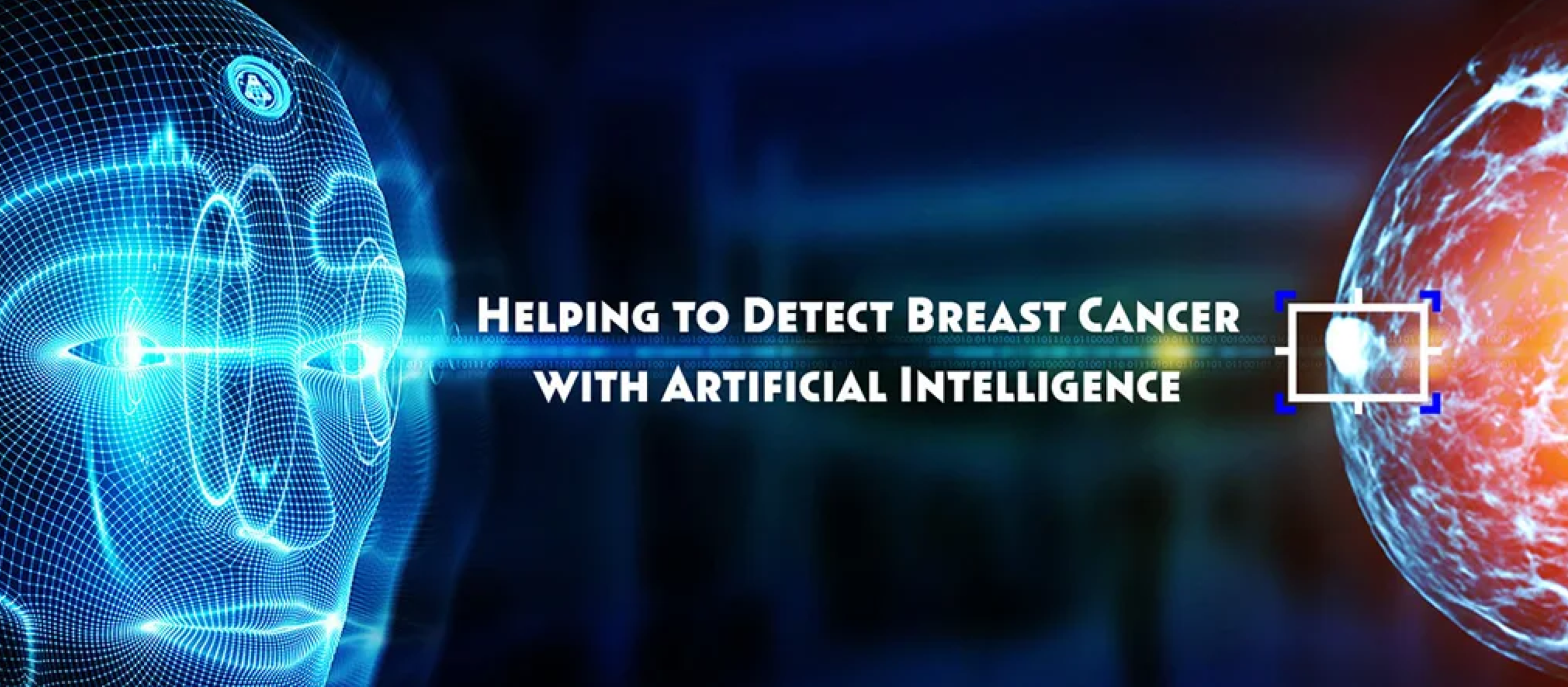
The latest study by researchers from the University of Lubeck in Germany shows that AI can be a valuable tool in early breast cancer detection.
AI-Driven Breakthrough in Breast Cancer Detection: A Game-Changer
In a landmark study, researchers from the University of Lübeck in Germany have demonstrated how artificial intelligence (AI) can revolutionize breast cancer screening. The study, the largest of its kind, highlights the potential of AI to enhance cancer detection rates and streamline the screening process.
Key Findings of the Study
- Conducted by Experts: The study involved 119 radiologists working collaboratively with AI.
- Improved Detection Rates: AI-assisted radiologists achieved a cancer detection rate of 6.7 per 1,000 screenings—a 17.6% improvement compared to traditional methods.
- Enhanced Biopsy Accuracy: Among biopsies ordered, 65% of AI-assisted cases confirmed cancer, compared to 59% without AI.
- Reduced Workload: AI reduced radiologists’ workloads by enabling 43% faster reading times without compromising accuracy.
Study Overview
- Participants: 460,000 women aged 50 to 69.
- Timeline: Screenings conducted between 2021 and 2023.
- Methodology: Half of the screenings employed AI, while the other half relied on traditional approaches. Radiologists voluntarily opted to use AI.
- Objective: To determine whether AI could assist radiologists in identifying more cancers while minimizing unnecessary recalls. Recalls occur when mammograms require additional imaging or comparisons to past results.
Why This Study Matters
Early detection of breast cancer is crucial for saving lives. Traditional methods, which rely on radiologists manually reviewing images, are time-intensive and prone to human error. AI’s ability to flag suspicious cases reduces missed detections and enhances efficiency. This development is particularly significant given the global shortage of radiologists.
The Role of AI in Cancer Detection
- Higher Detection Accuracy: Increased the success rate of identifying actual cancer cases among women with recalled mammograms.
- Fewer False Alarms: Reduced unnecessary recalls and associated stress for patients.
- Improved Focus: Allowed radiologists to prioritize critical cases, saving time on routine screenings.
Crucially, AI is designed to assist, not replace, radiologists. It flagged cases as either normal or suspicious and alerted radiologists to potential oversights, ensuring accurate and efficient screenings.
Implications for Healthcare
- Making breast cancer screenings faster, more accurate, and less stressful.
- Addressing the global radiologist shortage.
- Improving overall healthcare efficiency and patient outcomes.
Published Research
This groundbreaking study, titled “Nationwide Real-World Implementation of AI for Cancer Detection in Population-Based Mammography Screening,” has been published in Nature Medicine.