
Frame 6

Artificial Intelligence (AI)

Has emerged as a transformative force across diverse sectors, revolutionizing everything from healthcare to entertainment and education to transportation. Its profound influence extends deeply into our daily routines, becoming an indispensable component of modern life. This article delves into the significance of AI in our everyday experiences, exploring its impact on individuals and societies, and elucidating the myriad advantages it offers.

Serving as a vigilant guardian against cyber threats. Through advanced machine learning algorithms, AI swiftly detects anomalies within network traffic, effectively thwarting potential attacks in real-time. Beyond traditional defenses, AI extends its reach to monitor social media platforms, adeptly spotting fake news and fortifying against phishing attempts. Its multifaceted capabilities are reshaping the landscape of cybersecurity, ushering in a new era of proactive defense and resilience.

(AI) is increasingly a part of our everyday lives, even if we don’t always notice it. Here are some ways in which AI is making a positive impact:-

  • Personal Assistants: AI-powered digital assistants on smartphones like Siri, Google Assistant, or Bixby can help manage daily tasks, set reminders, provide information, send texts, and more.
  • Online Shopping: AI is used in online shopping platforms to provide personalized recommendations based on your browsing and buying history.
  • Navigation and Traffic: AI is used in apps like Google Maps and Waze to analyze real-time traffic data and provide the fastest routes.
  • Email Filtering: AI helps filter out spam emails, categorizing incoming emails, and even suggesting quick replies in some email platforms.
  • Security and Fraud Detection: AI can identify patterns of fraudulent activity in banking and online transactions. It can also enhance home security systems through facial recognition technology.
  • Entertainment: Streaming services like Netflix and Spotify use AI to recommend shows, movies, or music based on users’ previous viewing or listening habits.

AI stands as the sentinel of innovation, reshaping every corner of contemporary existence. From the intricate realms of healthcare to the captivating landscapes of entertainment, its influence knows no bounds. In the hustle and bustle of transportation and the sanctuaries of education, AI whispers promises of efficiency, accuracy, and personalization

Frame 5

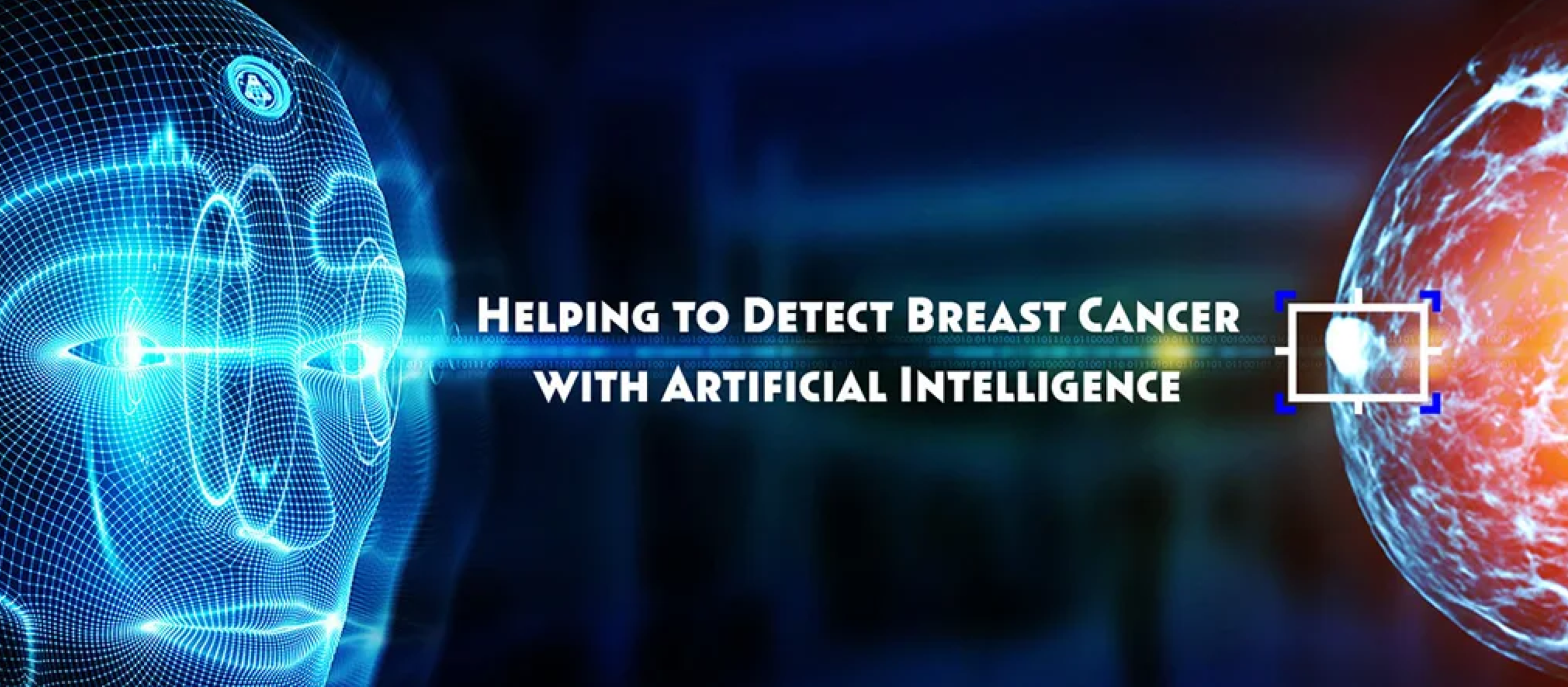
AI breakthrough in breast cancer detection: New study claims over 17% improvement in screening accuracy

The latest study by researchers from the University of Lubeck in Germany shows that AI can be a valuable tool in early breast cancer detection.

In a landmark study, researchers from the University of Lübeck in Germany have demonstrated how artificial intelligence (AI) can revolutionize breast cancer screening. The study, the largest of its kind, highlights the potential of AI to enhance cancer detection rates and streamline the screening process.

  • Conducted by Experts: The study involved 119 radiologists working collaboratively with AI.
  • Improved Detection Rates: AI-assisted radiologists achieved a cancer detection rate of 6.7 per 1,000 screenings—a 17.6% improvement compared to traditional methods.
  • Enhanced Biopsy Accuracy: Among biopsies ordered, 65% of AI-assisted cases confirmed cancer, compared to 59% without AI.
  • Reduced Workload: AI reduced radiologists’ workloads by enabling 43% faster reading times without compromising accuracy. 
  • Participants: 460,000 women aged 50 to 69. 
  • Timeline: Screenings conducted between 2021 and 2023.
  • Methodology: Half of the screenings employed AI, while the other half relied on traditional approaches. Radiologists voluntarily opted to use AI.
  • Objective: To determine whether AI could assist radiologists in identifying more cancers while minimizing unnecessary recalls. Recalls occur when mammograms require additional imaging or comparisons to past results.

Early detection of breast cancer is crucial for saving lives. Traditional methods, which rely on radiologists manually reviewing images, are time-intensive and prone to human error. AI’s ability to flag suspicious cases reduces missed detections and enhances efficiency. This development is particularly significant given the global shortage of radiologists. 

  • Higher Detection Accuracy: Increased the success rate of identifying actual cancer cases among women with recalled mammograms. 
  • Fewer False Alarms: Reduced unnecessary recalls and associated stress for patients. 
  • Improved Focus: Allowed radiologists to prioritize critical cases, saving time on routine screenings. 

Crucially, AI is designed to assist, not replace, radiologists. It flagged cases as either normal or suspicious and alerted radiologists to potential oversights, ensuring accurate and efficient screenings.

  • Making breast cancer screenings faster, more accurate, and less stressful.
  • Addressing the global radiologist shortage.
  • Improving overall healthcare efficiency and patient outcomes.

This groundbreaking study, titled “Nationwide Real-World Implementation of AI for Cancer Detection in Population-Based Mammography Screening,” has been published in Nature Medicine

Frame 4

Oracle Rolls Out AI Agents for Sales Professionals

In a significant move to enhance sales operations, Oracle has introduced a suite of artificial intelligence (AI) agents designed to assist sales professionals in managing various customer-related tasks. These AI agents are tailored to handle specific duties, setting them apart from generalized virtual assistants. They are capable of automating both repetitive and complex activities, thereby streamlining sales processes and improving efficiency.

  • Customer Engagement Agent: This agent aids sales teams by generating customer-ready emails that are designed to bypass spam filters. It also allows sales representatives to adjust the tone and call-to-action to suit their specific audience, thereby enhancing communication effectiveness
  • Customer Records Agent: To maintain up-to-date account activity records, this agent summarizes recent account activities, organizes meeting notes, and automatically inputs them into the system. This ensures that internal teams have access to the latest information, facilitating better collaboration.
  • Customer Intelligence Assistant: Leveraging data from various business software categories, this assistant compiles comprehensive reports for sales teams. For instance, it can provide insights into a customer’s recent activities, current sentiment, and contract status, even if the data is in different languages. This holistic view enables sales professionals to tailor their strategies effectively.

The introduction of these AI agents signifies a shift in the sales landscape, where routine tasks are automated, allowing sales professionals to focus on building deeper customer relationships and strategic decision-making. By automating tasks such as updating company records after customer meetings and generating intelligence reports, sales teams can operate more efficiently and effectively.

Oracle has announced that these AI agents are available immediately and at no additional cost. This move aligns with a broader industry trend where major tech firms like Microsoft and Alphabet are integrating smart agents into their product strategies to enhance efficiency and productivity in business processes.

Oracle’s launch of specialized AI agents marks a pivotal advancement in sales technology, offering tools that not only automate routine tasks but also provide intelligent insights. As businesses continue to navigate the complexities of customer engagement, such innovations are poised to become integral components of effective sales strategies.